- Chuck Berry , “Back in the USA” (1959)
- Peter, Paul and Mary ,”This Land Is Your Land” (1963)
- The Beach Boys, “Surfin’ USA” (1963)
- Tennessee Ernie Ford, “Sixteen Tons” (1955)
- Pete Seeger, “Little Boxes” (1962)
- Sam Cooke, “A Change Is Gonna Come” (1964)
- Richie Valens, “La Bamba” (1958)
- Harry Belafonte, “The Banana Boat Song (Day-O)” (1956)
- Nina Simone, “Mississippi Goddam” (1964)
Chuck Berry , “Back in the USA” (1959)
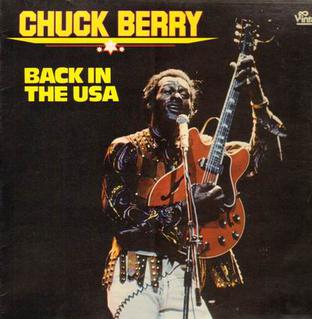
The playlist begins with Chuck Berry’s 1959 hit “Back in the USA,” a song that celebrates all things Americana. More of a celebration than a profound statement, “Back in the USA” tells the story of a traveler’s simple joy of returning home after an international trip. Among other things, he missed hamburgers, skyscrapers, and jukeboxes. Pedagogically, “Back in the USA” serves as a case-study example of midcentury Americana and could engender discussion about how various nationalistic tropes that may seem permanent have a real degree of fluidity over time.
Peter, Paul and Mary ,”This Land Is Your Land” (1963)
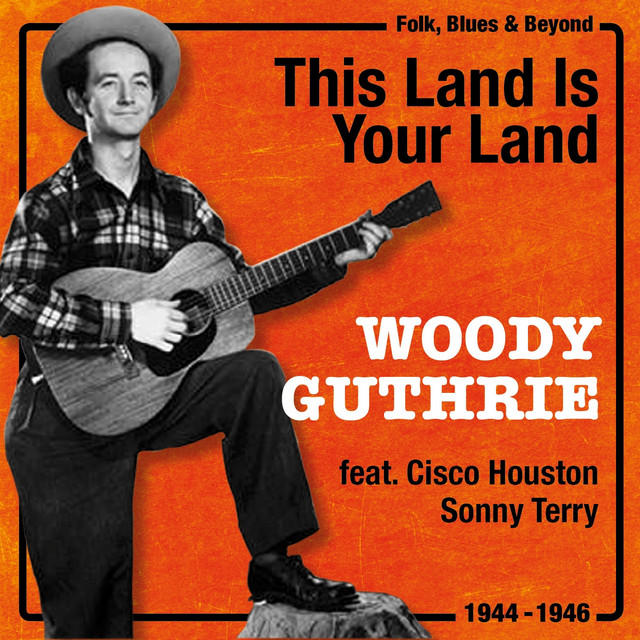
“This Land is Your Land” is one of the prototypical civic hymns in the United States; elementary school children across the nation learn it (or at least a sanitized edition of it) as an ode to the wonders of this nation. The song was originally written and recorded by Woody Guthrie and included two verses with explicitly political, anti-capitalist messages that are left out of many later versions, including Peter, Paul, and Mary’s used here. Classroom teachers can examine both versions of the songs to talk about issues such as the role of satire and censorship. It is also a great example of what happens when mainstream society co-opts an alternative/protest movement for its own means.
The Beach Boys, “Surfin’ USA” (1963)
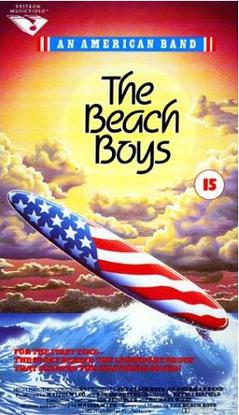
In terms of the creation of an American ethos with popular music, few, if any, bands have had the impact of “America’s Band,” the Beach Boys. 1963’s “Surfin’ USA” took the American cities listed in the chorus of Chuck Berry’s similar hit and replaced them with hot surfing spots along the Pacific coast (leading to the first high-profile plagiarism case in the history of rock and roll). In the classroom, “Surfin’ USA” is a valuable civil anthem that lies at the intersection of Postwar consumer culture, the universalization of the high school experience for American youth, the admission of Hawaii to the union, and rock history’s propensity for white artists to appropriate African-American musical styles.
Tennessee Ernie Ford, “Sixteen Tons” (1955)
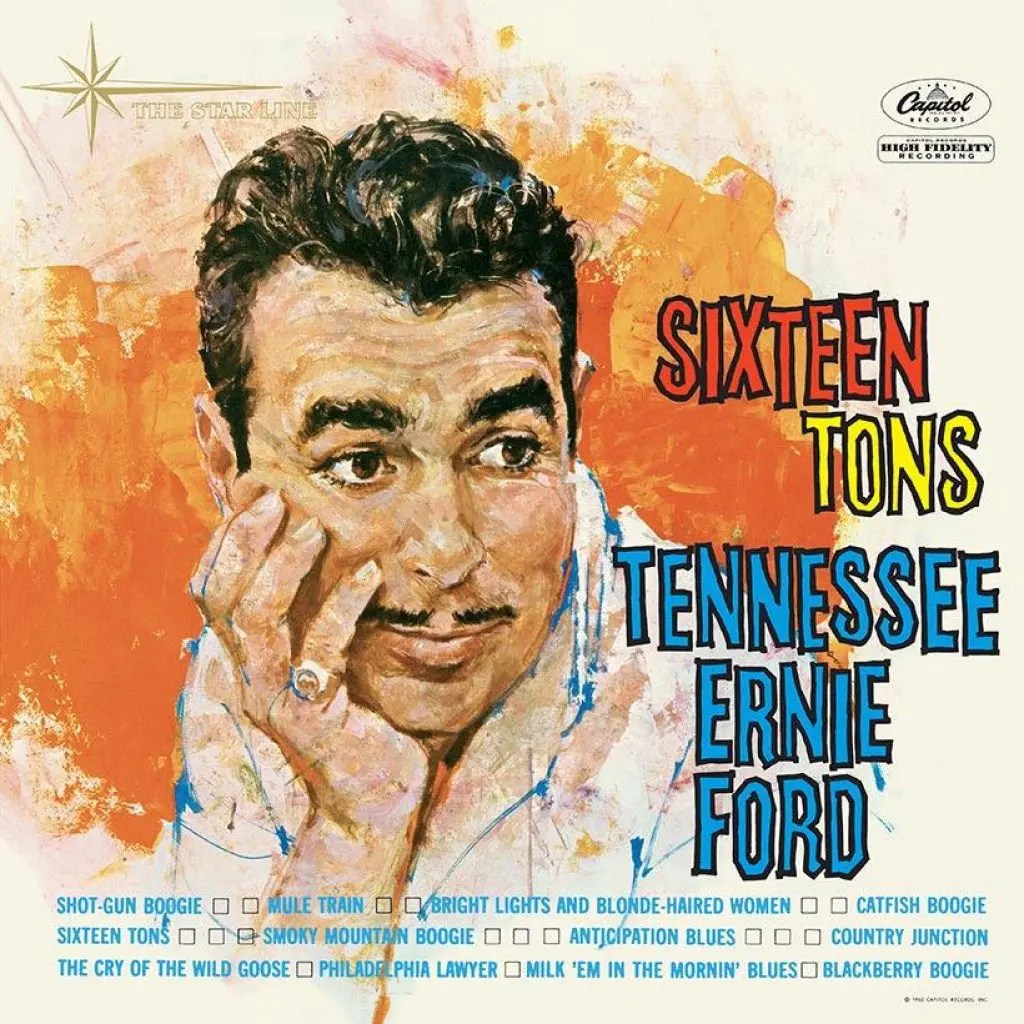
From the beaches of California to the coal mines of Appalachia, Merle Travis’ “Sixteen Tons” was written about the plight of the American coal miner in the mid-1940s and released to little fanfare in 1947. The song explores some important issues in the history of labor rights, and it represents a good opportunity for the history teacher to introduce concepts like the “company store” that attempted to explore local store monopolies to keep prices high and American workers indebted, effectively preventing them from unionizing. The song was covered by “Tennessee” Ernie Ford, fresh off his 1954 guest spots on I Love Lucy as the country bumpkin character “Cousin Ernie”. It dominated the charts in late-1955 and early-1956, becoming the fastest-selling 45 ever for Capitol Records.
Pete Seeger, “Little Boxes” (1962)

No stranger to controversy, in 1962 Pete Seeger recorded the Malvina Reynolds-written “Little Boxes”, a scathing indictment of 1950s conformity and the emerging suburbia. This song serves as another example of dominant culture co-opting minority culture: a man performing a song written by a woman. In addition to sparking this conversation, teachers can use this song to discuss the spread of conformity as depicted in housing developments such as Levittown and the beginnings of anti-conformity in the US. The song can springboard into issues such as white flight and the development of (and applicability of) the American dream rhetoric.
Sam Cooke, “A Change Is Gonna Come” (1964)

Before it became a staple of reality show singing competitions, Sam Cooke wrote “A Change Is Gonna Come” after being turned away from a whites-only hotel. Released in 1964, Cooke’s protest is more of a sad but determined lament than an aggressive statement. In place of specific complaints, Cooke seems to evoke a general mood of being black in the 1960s. The chorus ends with the statement “Oh yes it will,” seemingly a reminder of the need to persevere through adversity. In the classroom, Cooke’s song challenges students to consider the relative value of calling for broad social change as opposed to more specific public policy goals.
Richie Valens, “La Bamba” (1958)

Not as overtly political in its content but a protest merely by its existence, when Richie Valens’ 1958 hit “La Bamba” made the airwaves it was likely the first time many in mainstream America heard a foreign language in a top ten song; it was also definitely the first time Latinx culture was heard in a form that wasn’t parody or minstrelsy. Latinx culture is far too absent from US history curricula; teachers can use Valens’ song to make connections ranging from the 1931 Lemon Grove v. Alvarez case (as Valens was still in high school during his recording career) to the Zoot Suit Riots of the 1940’s in California (which would have impacted Valens’ views on race in America).
Harry Belafonte, “The Banana Boat Song (Day-O)” (1956)

While Hawaii becoming a state in 1959 created a wave of interest in South Pacific culture and the creation of the new and highly Americanized tiki culture, the 1950s was generally a period of piqued interest in tropical sounds in the mainland United States. This interest extended to the music of the Caribbean. Singer Harry Belafonte rode this wave of popularity with his 1956 release of “The Banana Boat Song (Day-O)” which directly addresses issues of colonialism and exploitation of plantation workers in the diaspora. Inclusion of the song in a curriculum creates many avenues for exploring a variety of historical phenomena, including the cultural diffusion facilitated by American servicemen bringing back elements of Caribbean culture after returning from the war, issues of colonization in the Americas, an introduction to “call and response” folk music, and Belafonte’s own role in the civil rights movement in the United States, as prominent support of SNCC and friend and confidante of Rev. Dr. Martin Luther King.
Nina Simone, “Mississippi Goddam” (1964)
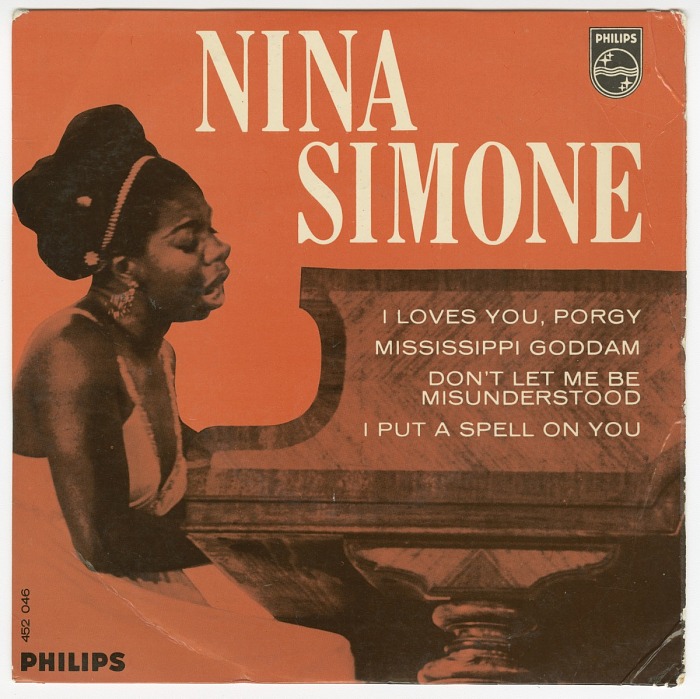
The most overtly socially conscious of the selections in this era, Nina Simone sardonically sings that 1964’s “Mississippi Goddam” is “a show tune, but the show hasn’t been written yet.” Indeed, her song differs from many Civil Rights Era anthems in its jaunty, exuberant tempo and happy, major key. Yet, the lyrics provide the real impact of the song, as Simone criticizes various Southern states, with Mississippi drawing most of her ire. The song was banned in many Southern states, and Philips Records cut out the word “Goddam” in its promotional material. “Mississippi Goddam” challenges students to consider the value of profane anger in artistic rebellion. Does serve to more accurately represent the views of African Americans or turn away potentially sympathetic whites?

